How Much Does Septic Tank Pumping Cost in Alaska?
· Royal Flush Septic
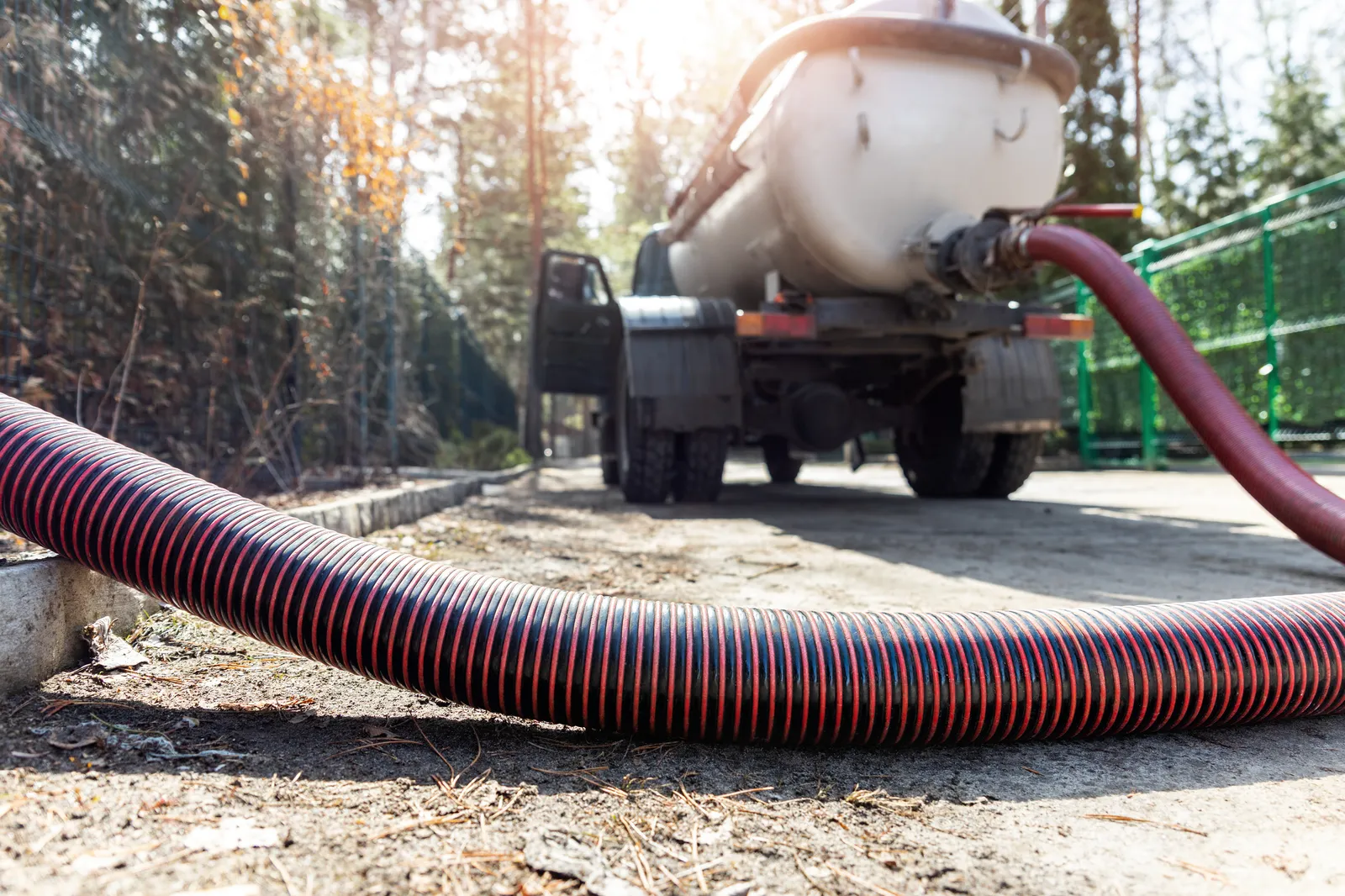
The honest answer is that a routine residential septic pumping in the Mat-Su Valley usually lands somewhere in the low-to-mid hundreds of dollars — but the range is wide, and the Alaska-specific factors that push a job toward the high end are exactly the ones national cost guides leave out. This walks through what you’re actually paying for, what makes the number go up or down, and how to keep it on the low end.
For a firm price on your tank, call (907) 376-8988 — a quote costs nothing. What follows is how to read that number once you get it.
What you’re paying for
A pumping bill isn’t just “hauling away waste.” A standard septic pumping covers the truck and operator coming to your property, locating and opening the tank, pumping out both the liquid and the settled sludge, and hauling the waste to an approved disposal site. A good operator also takes a look at your baffles and tank condition while the lid is off — which is where a routine visit quietly earns its keep, because a cracked baffle caught early is a repair you get to plan instead of an emergency you don’t.
The single biggest driver of the base price is how much is in the tank and how big the tank is. A 1,000-gallon tank costs less to empty than a 1,500-gallon one, and a tank pumped on a regular schedule is faster to service than one that’s been left for a decade and packed with hardened sludge.
What moves the price up or down
Most of the variation between a low quote and a high one comes down to a handful of factors:
- Tank size. More gallons means more waste to pump and haul. This is the most predictable line item.
- How long since the last pump-out. Sludge compacts over the years. A tank pumped every three years empties cleanly; one that hasn’t been touched in fifteen may need extra water, extra time, and occasionally a second pass to break up and remove solidified sludge.
- Whether we can find and reach the tank. If your access lids are at grade and exposed, the crew gets right to work. If the tank is buried under a foot of soil or sod, someone has to dig down to the lid first — and that labor lands on your bill. Knowing where your tank is, and keeping the risers accessible, is the cheapest thing you can do for future-you.
- Add-on work. If the visit turns up a problem — a failed baffle, a suspected crack, a line that won’t drain — you may add a camera inspection or repair to the same trip. That’s more money, but bundling it into one visit is cheaper than a second trip fee later.
- Emergency vs. scheduled. A planned pump-out on a weekday is the cheapest version of this service. A backup at 9 p.m. on a Sunday is not. Scheduling before you have symptoms is the biggest lever you control.
The Alaska factors nobody warns you about
Generic cost guides are written for places where the ground doesn’t freeze six feet down. In the Mat-Su Valley, a few things can move your bill that a homeowner in the Lower 48 never thinks about:
- A frozen lid or frozen line. In deep winter, the access lid can be locked under ice, or the line between house and tank can freeze solid. If drains slowed during a cold snap, the problem may not be a full tank at all — it may be ice, which calls for steam thawing rather than a pump truck. Paying to pump a frozen system accomplishes nothing, so a correct diagnosis is the first place you save money.
- Snow-buried access. If the crew arrives to three feet of snow over an unmarked tank, the clock starts while they find and dig out the lids. A tank locating visit in the fall, before the snow flies, makes every winter service faster and cheaper.
- Spring breakup timing. During breakup a saturated drain field can back the whole system up even when the tank isn’t the real problem. Pumping buys relief while the ground drains, but understanding what you’re paying for matters — you’re renting breathing room, not fixing the field.
- Distance and remote access. We cover a wide service area across the Valley. A tank at the end of a long, unplowed driveway is simply a longer, harder job than one off a maintained road.
How to keep the cost down
The pattern across every one of these factors is the same: routine beats emergency, and access beats guesswork. Concretely:
- Pump on a schedule. Every three to five years for most households, sooner for large families or small tanks. A tank serviced on time empties fast and cheap, and the visit catches small problems before they become excavation bills. Our septic maintenance guide covers the habits that stretch time between pump-outs.
- Know where your tank is and keep the lids reachable. Install risers to grade if you don’t have them. Every minute the crew spends digging is a minute you pay for.
- Don’t wait for symptoms. By the time sewage is backing up, you may be paying emergency rates for a problem that a $300 scheduled visit would have prevented. Waiting is the single most expensive strategy.
- Bundle the inspection. If it’s been a while, have the baffles and tank condition checked during the pump-out. One trip is cheaper than two.
The bottom line
A routine pump-out in the Mat-Su Valley is one of the least expensive things you’ll ever do to protect a septic system that costs tens of thousands to replace. The price moves with tank size, how long it’s been, and how easily we can reach the tank — and in Alaska, with frost, snow, and breakup on top of that. The way to stay on the low end is boring and reliable: pump on schedule, keep your access clear, and call before there’s a problem.
Royal Flush pumps residential and commercial systems across the Mat-Su Valley, with 24/7 emergency service when you need it. Call (907) 376-8988 for a free, no-surprises quote on your tank.
Frequently Asked Questions
How much does it cost to pump a septic tank in Alaska? A routine residential pump-out in the Mat-Su Valley typically runs in the low-to-mid hundreds of dollars, depending on tank size, how long it’s been since the last service, and how easily the crew can reach the tank. Emergency, after-hours, and heavily overdue tanks cost more. Call for a firm quote on your specific tank.
Why is one quote so much higher than another? The biggest swings come from tank size, years since the last pumping, and access. A large tank that hasn’t been pumped in a decade and sits buried under sod is a much bigger job than a right-sized tank pumped on schedule with lids at grade. Emergency and after-hours service also carry a premium over a planned weekday visit.
Is “pumping” the same as “cleaning”? They’re often used interchangeably, but there’s a shade of difference: pumping removes the liquid and sludge, while a full cleaning also works to remove hardened material clinging to the tank. On a tank serviced regularly, a standard pump-out gets it clean. On a badly neglected tank, extra cleaning effort — and cost — may be needed.
Does winter make septic pumping more expensive? It can. Frozen lids, snow-buried access, and frozen lines all add time or require a different service entirely. If your drains slowed during a cold snap, the issue may be a frozen line that needs steam thawing rather than a full tank that needs pumping — one call covers diagnosing which.
How often should I pump to keep costs low? Every three to five years for most households, and toward the shorter end in Alaska, where cold ground slows the bacteria that break down solids. Regular pumping is far cheaper than the emergency repairs and drain-field damage that follow a neglected tank.

A Royal Flush beats a full house!
Ready for fast, reliable septic service? Contact us today and get your free, no-obligation quote!
Licensed & insured professionals
Prompt, reliable service
Free, no-obligation quotes
