Can You Pump a Septic Tank in Winter in Alaska?
· Royal Flush Septic
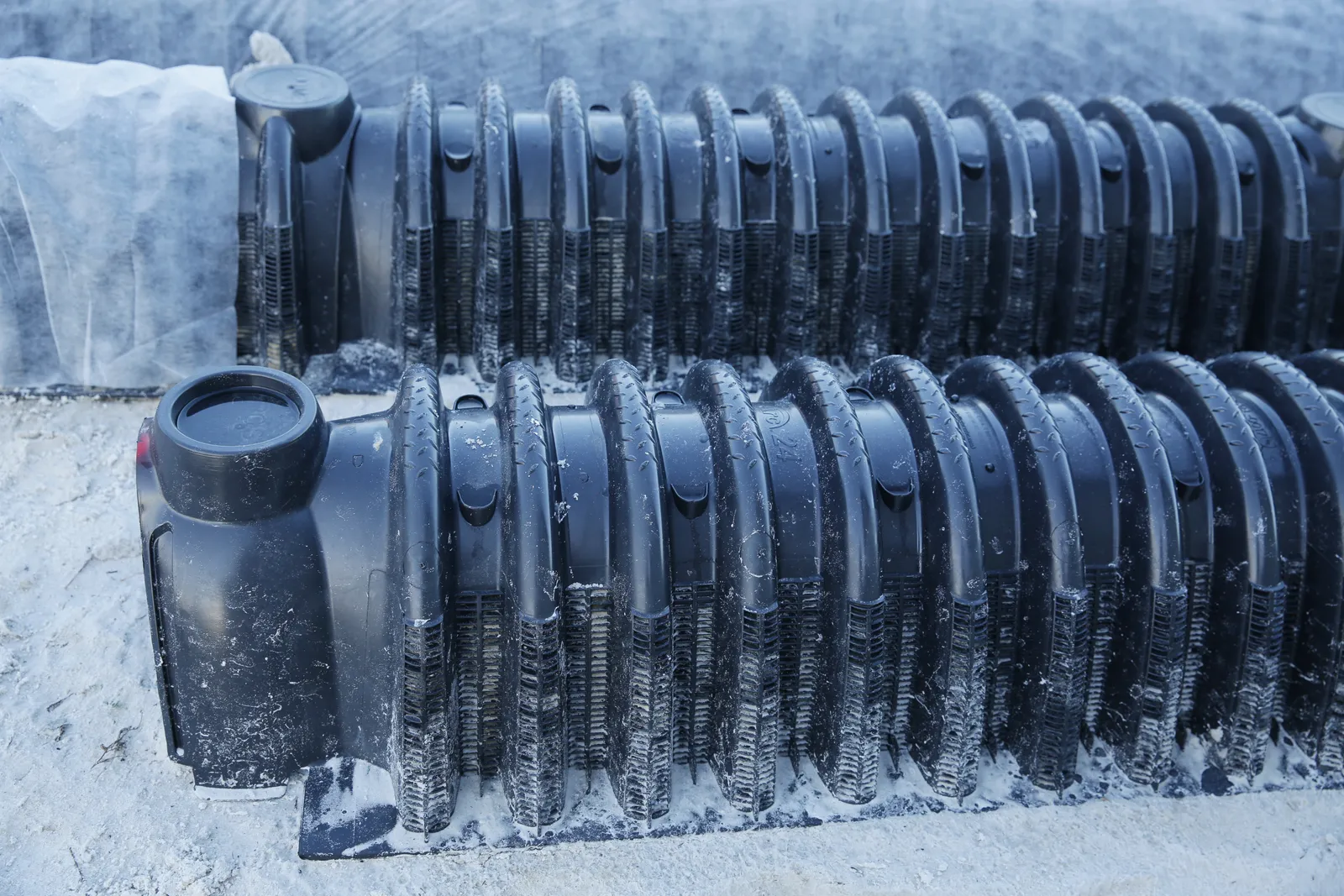
Yes — you can pump a septic tank in winter in Alaska, and you don’t have to wait for spring thaw to do it. The wastewater inside a working tank stays liquid year-round because it’s below the frost line and fed by warm water from the house, so a pump truck can empty it in January the same as in July. What winter changes isn’t whether the job can be done — it’s access, and, more importantly, whether pumping is even the right fix for the problem you’re seeing.
That second point is where Alaska homeowners lose the most money, so it’s worth getting straight.
Why the tank itself doesn’t freeze
A properly installed septic tank sits below the frost line, insulated by the surrounding soil and, for much of the year, a blanket of snow. Just as important, it receives a steady flow of warm wastewater every time someone in the house runs water, showers, or does laundry. That constant input of warm liquid, plus the heat generated by bacteria breaking down waste, keeps the contents of an active tank from freezing even in deep cold.
The parts that do freeze are the ones exposed to the surface: the access lid and risers at grade, and the line running between the house and the tank — especially where a line runs shallow, lacks slope, or serves a cabin that sits empty for weeks. So when something goes wrong in winter, the tank is usually the last suspect, not the first.
The mistake that costs the most: pumping a frozen line
Here’s the scenario we see every cold snap. Drains slow down or back up. The homeowner assumes the tank is full and calls for a pump-out. The truck comes, empties the tank — and nothing changes, because the tank was never the problem. The line between the house and the tank had frozen solid, and pumping the tank downstream of an ice plug does exactly nothing.
The right fix for a frozen line is steam thawing, which clears the ice in hours, not a pump truck. So the most valuable thing you can do in winter is get the diagnosis right before paying for the wrong service.
A quick rule of thumb:
- Symptoms appeared suddenly during extreme cold, especially at a cabin or after a stretch of low water use? Suspect a frozen line first.
- Symptoms crept in gradually over weeks or months, regardless of temperature, and it’s been years since your last pump-out? A full tank is the likelier culprit.
From inside the house the two problems look identical — slow drains, gurgling, backups. A technician can tell them apart quickly. If you can’t, describe exactly when and how the symptoms started when you call, and mention the weather. That one detail often points to the right truck before anyone leaves the shop.
What winter actually changes about the job
Once you know pumping is genuinely what you need, cold weather affects the job in practical ways rather than making it impossible:
- Finding the tank under snow. Three feet of snow over an unmarked tank means the crew spends time locating and digging out the lids before any pumping happens — and that time lands on your bill. If you don’t know exactly where your tank and risers are, a tank locating visit in the fall pays for itself the first winter.
- A frozen or iced-over lid. Access lids can be locked under a layer of ice and need to be freed before the tank can be opened. Routine, but it adds time.
- Driveway and site access. A pump truck is heavy. An unplowed, ice-slick, or steep driveway can make a site hard to reach. Clearing a path before the crew arrives keeps the visit short.
- Keeping the schedule flexible. Deep-cold days and storms happen. Booking non-emergency winter pumping with a little lead time beats needing it during a backup at twenty below.
None of these stop the job. They just reward a little preparation.
How to make winter septic service easy
The homeowners who sail through winter do a few boring things in the fall:
- Know where your tank is and mark it. A stake or marker above the risers before the snow flies saves the crew from digging blind. If you’re not sure where the tank sits, locate it now, not in January.
- Pump before winter if you’re due. If you’re within range of your normal three-to-five-year interval, doing it in the fall means you head into the cold with margin and skip the risk of a mid-winter backup. Our septic care guide covers the rest of the seasonal habits.
- Protect the line. Keep some regular water use going at occupied homes, and take extra care with cabins that sit empty — a shallow or low-use line is the part most likely to freeze.
- Know who to call for either problem. Because a winter symptom might be a frozen line or a full tank, use a company that handles both. Royal Flush does steam thawing and pumping, so one call sorts out which you actually need instead of two trips to find out.
The short version
Pumping a septic tank in winter in Alaska is completely routine — the tank doesn’t freeze, and the truck works the same in January as in July. The real winter questions are whether you can reach the tank and whether pumping is even the right fix, since a frozen line mimics a full tank from inside the house. Get the diagnosis right, keep your access clear, and winter septic service is a non-event.
Royal Flush pumps and thaws septic systems across the Mat-Su Valley all winter long, with 24/7 emergency service when a cold snap catches you off guard. Call (907) 376-8988 for a free quote or a straight answer about what your system is actually doing.
Frequently Asked Questions
Can a septic tank be pumped when the ground is frozen? Yes. The tank sits below the frost line and stays liquid year-round, so it can be pumped in any season. Frozen ground affects access to the lid, not the ability to empty the tank. You don’t need to wait for spring thaw.
My drains slowed down during a cold snap. Is my tank full or is the line frozen? Either is possible, and they look the same from inside the house. A frozen line is more likely if the symptoms appeared suddenly during extreme cold, especially at a cabin or after low water use. A full tank is more likely if symptoms built up gradually over months and it’s been years since your last pumping. The fixes are completely different — steam thawing for ice, pumping for a full tank — so get a diagnosis before paying for either.
Does the septic tank freeze in winter? An active tank rarely freezes. Warm wastewater from the house flows in constantly, bacteria generate heat as they break down solids, and the tank sits below the frost line under insulating soil and snow. The parts that freeze are surface-exposed: the access lid and the line between the house and tank.
Is winter pumping more expensive? It can cost a bit more if the crew has to dig the tank out of deep snow or free an iced-over lid, both of which add time. You keep the cost down by knowing where your tank is, marking it before the snow flies, and clearing a path to it.
Should I pump my tank before winter? If you’re due within your normal three-to-five-year interval, fall is a smart time to do it. Heading into winter with an emptied tank gives you margin and lowers the odds of a mid-winter backup when service is harder and access is worse.

A Royal Flush beats a full house!
Ready for fast, reliable septic service? Contact us today and get your free, no-obligation quote!
Licensed & insured professionals
Prompt, reliable service
Free, no-obligation quotes
