Concrete vs. Metal Tanks for Septic Systems: Which Is Better?
· Royal Flush Septic
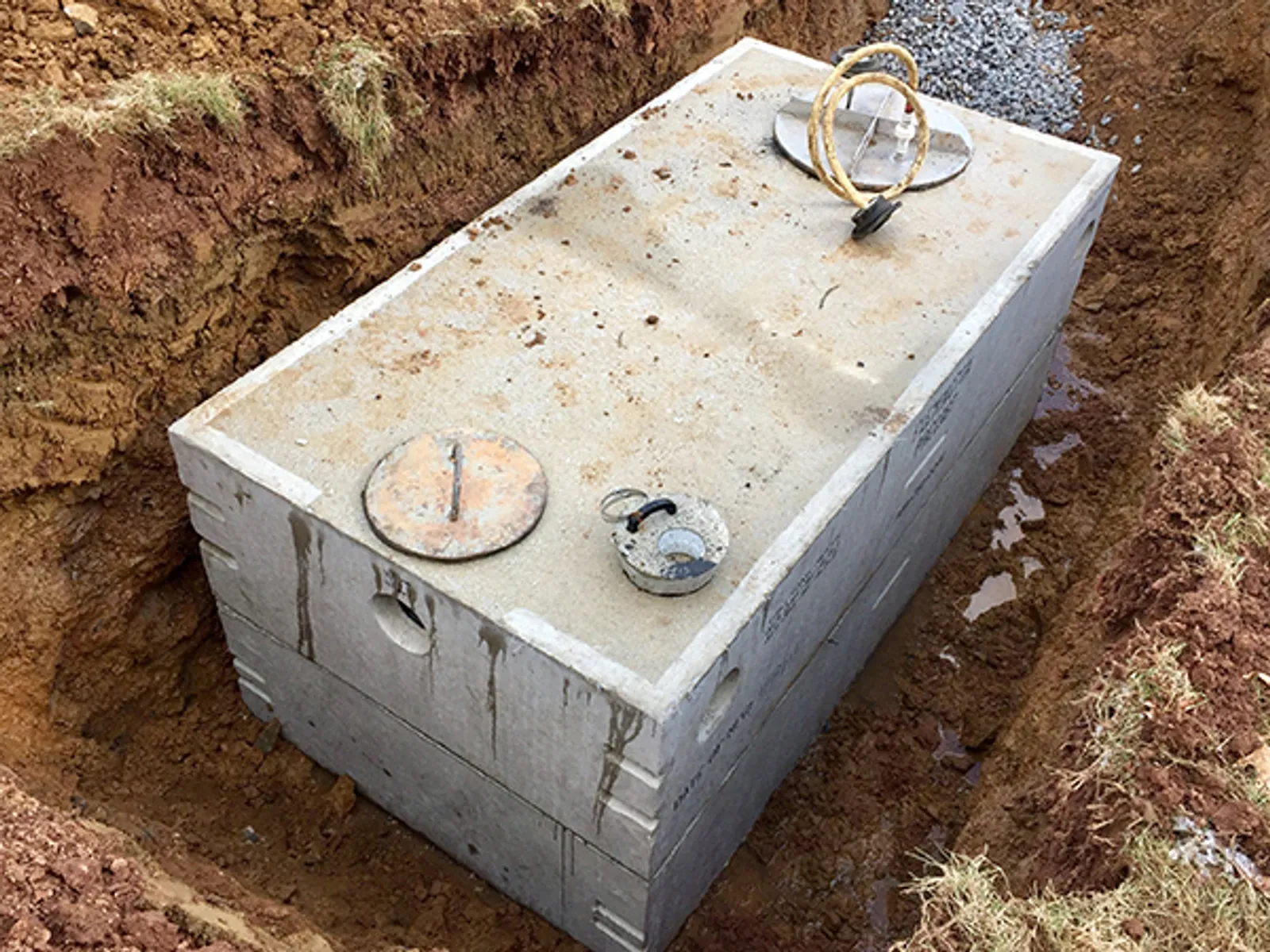
Fair warning before we start: Royal Flush manufactures precast concrete septic tanks right here in Wasilla through our sister company, Precise Precast. So yes, we have a horse in this race. But we also pump, inspect, and dig up hundreds of septic systems a year across the Mat-Su Valley, which means we see exactly how every tank material holds up in Alaska ground — and the comparison between concrete and metal isn’t close. Here’s the honest version.
Why metal tanks exist at all
Steel septic tanks were the standard for decades, roughly from the 1940s through the 1970s. They were cheap to make, light enough to move with small equipment, and easy to ship to places without a local concrete plant. If your home or cabin was built in that era and the septic system was never replaced, there’s a real chance a steel tank is still sitting in your yard.
That’s the key thing to understand about metal tanks in 2026: almost nobody installs them anymore. The question isn’t usually “which should I buy?” — it’s “I have one of these old steel tanks; how worried should I be?”
Fairly worried, as it turns out.
The problem with steel: it’s in a fight it can’t win
A septic tank spends its entire life buried in damp soil, full of wastewater and the gases that come off it. That combination is brutally corrosive. Steel tanks fight back with a coating, and once that coating fails, rust does the rest.
The typical steel tank lasts 15 to 25 years. In practice, the failure usually starts earlier than that:
- The baffles rust out first. These are the internal walls that keep solids in the tank and out of your drain field. When they corrode away — often years before the tank itself fails — solids flow straight into the leach field and slowly plug it. Many homeowners find out their baffles failed when the drain field stops draining, which is a far more expensive repair than a tank.
- The lid rusts next. A corroded steel lid can look solid while barely supporting its own weight. A person, a kid, a snowmachine, or a riding mower on top of a rusted-out lid is a genuinely dangerous situation, and it’s not a rare one on older properties.
- Then the tank walls go. Once the shell perforates, the tank leaks untreated sewage into the surrounding soil and groundwater. If you’re on a private well, that’s your drinking water aquifer.
Mat-Su conditions accelerate all of it. Wet soils around our lakes keep steel in constant contact with groundwater, and decades of freeze-thaw cycling work the metal and its seams. We’ve excavated steel tanks around Big Lake and Meadow Lakes that came out in flakes.
Why concrete wins, especially here
Precast concrete became the standard for good reasons, and most of them matter more in Alaska than almost anywhere else:
- Lifespan measured in generations. A properly installed and maintained concrete tank lasts up to 60 years. Steel gives you a third of that on a good day.
- It can’t rust. Concrete doesn’t corrode in wet soil. The failure mode that kills every steel tank simply doesn’t apply.
- Weight is a feature underground. A concrete tank’s mass keeps it planted through frost heave and spring breakup, when a high water table can actually float a lighter tank out of the ground. It also shrugs off the weight of soil, snow load, and equipment above it.
- Structurally safe to pump and walk over. Concrete tanks hold their shape during pumping and won’t collapse under a person’s weight the way a rusted steel lid can.
- Watertight and inspection-friendly. Concrete is naturally watertight, protecting your well and the groundwater around it. Lenders, inspectors, and local regulators accept concrete without a second look — which matters when you sell. A steel tank flagged during a pre-sale inspection can stall a closing; buyers’ lenders often require replacement before funding.
The honest downsides: concrete costs more upfront than the poly alternatives, and it takes real equipment to set. Neither is much of a factor in practice — we build the tanks locally and handle delivery and placement as part of installation, and the upfront difference disappears the first time a cheaper tank has to be replaced decades early.
Still have a steel tank? Here’s what to do
If your system dates from the 1970s or earlier and has never been replaced, assume steel until proven otherwise. A few practical steps:
- Don’t walk on it. Until you know the lid’s condition, keep people, pets, and machines off the tank area.
- Get it inspected. We can locate the tank, open it up, and tell you honestly what shape it’s in — how the baffles look, whether the lid is sound, and how much life is realistically left.
- Plan the replacement on your schedule, not the tank’s. A steel tank that’s 40 years old doesn’t fail gradually and politely. Replacing it as a planned project is far cheaper and less miserable than replacing it as an emergency after it collapses or floods the drain field with solids.
Replacement is more routine than most homeowners expect: we pump and decommission the old tank, excavate, set a new precast concrete tank, and tie it into your existing lines — often in a day or two.
The verdict
For Alaska, this one isn’t a judgment call. Steel tanks were a product of their era, and that era ended for good reasons. Concrete lasts three to four times longer, can’t rust, won’t float, won’t collapse, and passes every inspection a sale or refinance can throw at it.
Ours are built in Wasilla by Precise Precast, sized for everything from cabins to commercial properties, and installed by the same crew that will be around to pump and service the system for the decades it’ll be in the ground. Call (907) 376-8988 for a free quote on a tank, an inspection of the one you have, or a straight answer about whether that old steel tank has another winter left in it.

A Royal Flush beats a full house!
Ready for fast, reliable septic service? Contact us today and get your free, no-obligation quote!
Licensed & insured professionals
Prompt, reliable service
Free, no-obligation quotes
